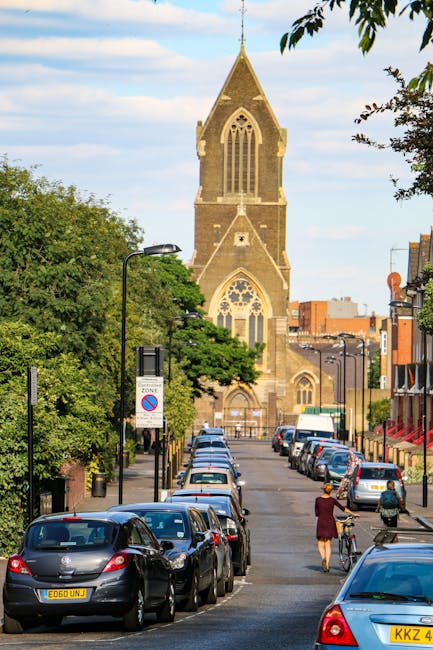
Dealing with restricted parking on Church Road, Hanwell
Posted on 18/06/2026

Dealing with restricted parking on Church Road, Hanwell: a practical guide for smoother moves and deliveries
If you are dealing with restricted parking on Church Road, Hanwell, you already know the headache: nowhere sensible to stop, awkward unloading distances, and that sinking feeling when a simple delivery turns into a slow shuffle up the pavement. Whether you are moving house, arranging a bulky furniture drop-off, or trying to coordinate a van for a flat move, parking can be the difference between a calm day and a chaotic one.
This guide breaks down what restricted parking usually means in practice, how to plan around it, and how to keep your move efficient without turning the road into a bottleneck. We will cover access planning, timing, vehicle choice, communication with neighbours, and the little details that make a big difference. Truth be told, on busy London streets, those details are the whole game.
Why Dealing with restricted parking on Church Road, Hanwell Matters
Restricted parking sounds like a minor inconvenience until you are standing with a sofa, a fridge, or three heavy boxes and no legal space within a sensible carry distance. Then it becomes very real, very quickly. On a road like Church Road, where traffic flow, residential access, and limited kerbside availability can all collide, poor parking planning can add delay, stress, risk of damage, and sometimes friction with neighbours.
For removals especially, parking is not just about convenience. It affects how long a van can stay in place, how many trips the team needs to make, whether items can be loaded safely, and whether the job finishes on time. If you are using a man with a van in Hanwell or arranging a larger move, the parking plan should be considered early, not after the van has already arrived. That's where a lot of people get caught out.
There is also a safety angle. Long carries across traffic, narrow pavements, wet weather, and hurried lifting are a poor combination. A well-planned stop point can reduce the chance of dropped items and awkward lifting angles. If you have ever tried to steer a wardrobe round a tight corner while apologising to two cyclists and a confused neighbour, you will know what I mean.
Key takeaway: on a restricted street, parking strategy is part of the move plan, not an afterthought. The better the access plan, the smoother everything else becomes.
How Dealing with restricted parking on Church Road, Hanwell Works
In practice, dealing with restricted parking means matching your vehicle, timing, and unloading method to the reality of the street. Some days you may have a brief window where stopping is manageable; other days, the safest option is to park a little further away and work efficiently from there. It is less about finding the perfect spot and more about creating the least disruptive, most workable arrangement.
Start by thinking through the whole movement: where the van will stop, how long it will stay, how far items need to be carried, and whether any obstructions will make the route tricky. This is especially relevant for flats, upper-floor moves, or jobs involving awkward furniture. If you are comparing broader moving support, the services overview can help you see how different types of removal work fit different access conditions.
Restricted parking often leads to one of three common situations:
- Short stop loading: a fast unload where the van can pause only briefly.
- Remote parking: the van must park further away and the team carries items to and from the property.
- Staggered loading: items are moved in smaller groups so the vehicle can be kept moving if needed.
Each option can work. The trick is choosing the least disruptive one for the time of day, the volume of belongings, and the size of the vehicle. If you are moving a few items, a lighter setup may suit you better than a larger truck. For tighter jobs, a removal van in Hanwell may be easier to position than something bigger and more awkward.
Key Benefits and Practical Advantages
Good parking planning brings more benefits than people expect. First, it lowers the physical strain of moving. If the van is sensibly placed, there is less carrying, less twisting, and fewer opportunities for damage. That matters whether you are moving a mattress, office equipment, or a family dining table.
Second, it saves time. A move that includes long walks from an unsuitable parking spot can drag on for hours. On a street with limited access, that extra time can make the difference between a same-day job staying on schedule or running into the evening. If timing is tight, it can be worth looking at same-day removals in Hanwell for support that is built around faster turnaround.
Third, planning reduces stress. That sounds obvious, but it really is. When everyone knows where the van will stop, who is carrying what, and which side of the road is safest, the atmosphere changes. Less scrambling. Less second-guessing. More getting on with it.
There are also practical protection benefits for your belongings:
- fewer knocks from rushed carrying
- less risk of weather exposure
- lower chance of scraping door frames or wheels
- better handling of delicate or oversized items
If your move includes furniture that needs careful wrapping or dismantling, it may help to review furniture removals in Hanwell alongside your access plan. Parking and handling are linked more closely than people think.
Who This Is For and When It Makes Sense
This applies to far more people than just those on moving day. If you live on Church Road, manage deliveries there, or are coordinating access for a tenant, landlord, or office relocation, restricted parking can shape the whole operation.
It is especially relevant for:
- house moves and flat moves
- students moving with limited notice
- office relocations with equipment and boxes
- large furniture deliveries
- piano or specialist item transport
- short-notice or urgent removals
For example, if you are moving out of a first-floor flat and the nearest usable stop is not directly outside, the team will need to think about carry distance, stair access, and whether items can be staged safely. A flat move in a restricted parking area is a different job from a suburban driveway move. If you are in that situation, flat removals in Hanwell is the kind of service that fits the reality of tight access.
It also makes sense if you are trying to move fragile or unusual items. A piano, for instance, can be more complicated than it first appears. If that sounds like your day, piano removals in Hanwell is worth considering rather than leaving things to improvised lifting and hope. Hope is not a strategy, annoying as that sounds.
Step-by-Step Guidance
Here is a practical way to approach restricted parking on Church Road without overcomplicating it.
- Assess the access early. Look at the road layout, kerb space, sightlines, and any obvious pinch points. If possible, check it at the same time of day as the planned move.
- Estimate your loading zone. Work out how close the van realistically needs to be to keep carrying distance manageable.
- Match the vehicle to the job. A smaller van can sometimes be the smarter choice on a restricted street, even if a larger one seems efficient on paper.
- Pack for speed and carry comfort. Keep essentials together, label boxes clearly, and avoid scattering loose items. If you want a better structure for this stage, the guide on clever packing hacks is a good companion read.
- Prepare the path inside and outside. Clear hallways, move shoes and mats, and make sure doors can open fully.
- Communicate clearly. If neighbours, building managers, or other road users may be affected, give them a heads-up where sensible.
- Load in the right order. Put the heaviest and least fragile items in first, then build around them. If you have bulky furniture, plan the sequence carefully.
- Keep the move flexible. Sometimes you will need to adapt on the spot. That is normal. London streets do not always care about your spreadsheet.
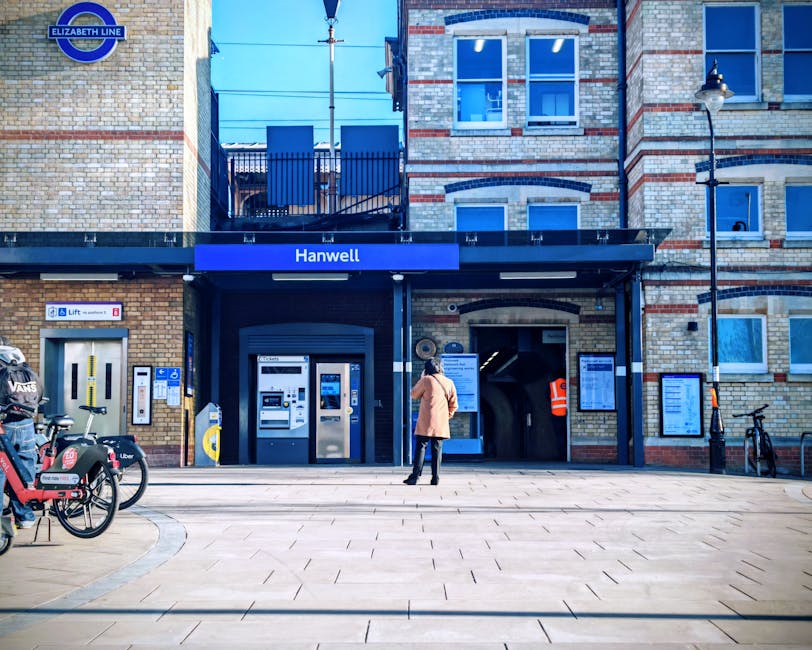
If you are coordinating a broader move, it can help to cross-check the route and loading plan with route advice for moves near Hanwell Station and Uxbridge Road. Similar traffic pressure, similar need for timing, different street but same principle.
Expert Tips for Better Results
There are a few small decisions that make a big difference. In our experience, the most successful restricted-parking moves are the ones where the boring details were handled before anyone turned up with a trolley.
1. Build time into the plan. Even a short delay can cascade if the van cannot stop where expected. Give yourself a buffer. Not a huge one, just enough to avoid panic.
2. Use the smallest sensible vehicle. Bigger is not always better on a narrow or heavily restricted road. A smaller van may mean a slightly longer schedule, but easier positioning can save time overall.
3. Keep the load organised. If boxes are mixed up, the carry-in and carry-out process gets clumsy. Labels, room groupings, and a basic inventory help more than people realise. For the packing side, packing and boxes in Hanwell is a useful place to start.
4. Protect your back and your doorways. Heavy lifting on a restricted street often means more awkward turns and more lifting from the kerb. A steady pace beats a fast one. If you are carrying items yourself, the guidance in essential tips for independent heavy lifting is genuinely worth a read.
5. Don't ignore weather. A dry morning and a damp afternoon can change the grip on steps and floors quite a bit. Simple, but easy to forget when everyone is busy.
6. Ask about storage if the timing is awkward. If parking limits mean your move must be split over two visits, storage can reduce pressure and prevent rushed decision-making. Sometimes that is the sensible call.
7. Keep sensitive items in mind. A piano, antique cabinet, or even a large sofa can need more space and more control than the average box. If you are moving specialist items, planning the parking point is only half the job.
Common Mistakes to Avoid
Most problems with restricted parking are predictable. That is the frustrating part. The good news is they are also avoidable.
- Assuming the van can stop outside. That assumption causes more day-of-disruption than almost anything else.
- Choosing the wrong vehicle size. Too large can be awkward; too small can create extra trips. Balance matters.
- Forgetting the carry route. A clear stop point is no use if the route to the front door is blocked by bikes, bins, or narrow internal turns.
- Leaving packing to the last minute. That tends to make everything slower, messier, and slightly more dramatic than needed.
- Not checking access for tall or oversized items. Sofas and wardrobes have a habit of revealing problems at the worst possible time.
- Overlooking neighbour impact. Nobody enjoys being blocked in or surprised by a van sitting at an awkward angle for too long.
If waste or unwanted furniture is part of the same project, especially in tighter streets, you may also find bulky waste removal advice for narrow Hanwell streets useful. It sits neatly alongside the access and loading challenge.
And yes, people still forget to measure the sofa. It happens more often than you'd think.
Tools, Resources and Recommendations
You do not need a mountain of equipment to handle restricted parking well, but a few things help a lot. Think practical, not overcomplicated.
| Tool or resource | Why it helps | Best used for |
|---|---|---|
| Measuring tape | Confirms whether items and walkways will fit safely | Furniture, doorways, stair turns |
| Labels and markers | Speeds up unloading and keeps rooms organised | All home or office moves |
| Trolleys and straps | Reduce strain on long carries and heavier pieces | Boxes, appliances, awkward loads |
| Protective wrapping | Helps prevent scuffs from tight routes and repeated handling | Wood furniture, mirrors, soft furnishings |
| Detailed move list | Keeps everyone on the same page, which is surprisingly valuable | Any move with limited parking |
For people trying to reduce the burden before move day, decluttering hacks for an easier move can be useful. The less you move, the less parking pressure you create. Simple, and slightly underrated.
If you are worried about safety or damage, insurance and safety guidance is a sensible read before booking. A good plan is not only about speed; it is about making sure the move is controlled from start to finish.
Law, Compliance, Standards, or Best Practice
Parking on a residential road is not just a practical issue; it can also involve local rules, highway restrictions, and basic common sense about keeping the road safe and usable. You should always follow the current on-street signs and any applicable local parking controls in the area. If stopping is restricted, do not assume a quick unload is automatically acceptable. That can become a problem very fast.
In general, good practice means:
- checking signs before stopping
- avoiding obstruction to traffic or pedestrians
- keeping loading times as efficient as possible
- being mindful of emergency access, crossings, and driveways
- using safe lifting methods and suitable equipment
For moving work, it is also sensible to follow standard UK health and safety expectations: lift within your limits, use proper team handling for awkward items, and do not create avoidable risks by rushing. If you are not sure a particular arrangement is sensible, ask for a professional view rather than guessing. That's the grown-up option, basically.
Related policy pages such as health and safety policy and terms and conditions can also help you understand how a removal company approaches responsibility, access, and service expectations.
Options, Methods, or Comparison Table
If you are trying to decide how to handle restricted parking, the right method depends on distance, item size, and time pressure. Here is a simple comparison.
| Approach | Best for | Pros | Trade-offs |
|---|---|---|---|
| Small van close to the property | Short, efficient loading with limited items | Quick access, fewer carries, easier parking | May need more trips if volume is high |
| Larger van parked further away | Big moves where space is limited | Can handle more volume in one go | Longer carries, more physical effort, more time |
| Split move with storage | Moves with timing issues or access constraints | Less pressure on the day, more flexibility | Extra coordination, potential added cost |
| Professional man and van support | General house, flat, or light commercial moves | Local knowledge, practical handling, route awareness | Needs clear brief and good communication |
There is no universal winner. If you are moving a single sofa and a few boxes, a nimble approach may be enough. If you are moving an entire household, the planning becomes much more important. For a broader sense of what this kind of support looks like, see man and van services and removals in Hanwell.
Case Study or Real-World Example
Here's a realistic example. A couple moving from a second-floor flat on or near Church Road had a standard mix of boxes, a bed frame, a washing machine, and a mid-sized sofa. The challenge was not the volume alone; it was the parking. The first instinct was to aim for the closest possible spot outside the building, but that would have blocked traffic and created too much pressure during loading.
Instead, the move was broken into a tighter loading plan. Lightweight boxes were staged first, then the sofa and bed parts were brought down in sequence, with one team member keeping the route clear. The van was positioned slightly further along the road, which added a short carry but avoided a lot of awkward manoeuvring. Not glamorous. Very effective.
The result was a steadier pace, less backtracking, and fewer chances of damage at the doorway. The move still took concentration, of course, but it felt controlled rather than rushed. That is usually the point where people relax a bit and realise the day is actually going to be fine.
If your move is similar, especially if you are relocating from a flat or dealing with tight internal access too, it may help to look at flat removal planning for tricky local routes and moving tips for Hanwell tenants. Local access problems often rhyme, even when the streets differ.
Practical Checklist
Use this as a final sanity check before move day.
- Confirm the parking situation on Church Road for the planned time slot.
- Measure large items and key access points.
- Choose the most suitable vehicle size for the road conditions.
- Pack and label boxes by room and priority.
- Keep stairs, hallways, and doorways clear.
- Prepare protective wrapping for fragile or polished items.
- Decide who is handling loading, carrying, and coordination.
- Build in a time buffer for delays or parking changes.
- Consider storage if access or timing is awkward.
- Check safety arrangements for heavy or specialist items.
- Have contact details ready in case the plan needs to change quickly.
If you are handling the move yourself, it can also be useful to review how to navigate your house move without stress. A calmer move is rarely about one big trick; it is usually about ten small good decisions.
Conclusion
Dealing with restricted parking on Church Road, Hanwell is really about one thing: planning the move around the street instead of pretending the street will cooperate. Once you accept that reality, the whole job becomes easier to manage. You choose the right vehicle, you keep the loading route sensible, and you reduce the chance of rushed lifting or avoidable damage.
That approach works for house moves, flat moves, furniture deliveries, and urgent removals. It also makes the day feel less like a scramble and more like a proper plan. Not perfect, maybe, but definitely more manageable. And in real life, manageable is often exactly what you need.
If your move includes awkward access, heavy items, or tight timing, a local, well-planned service can make the difference between a frustrating day and a straightforward one. A little preparation goes a long way, honestly.
Get a free quote today and see how much you can save.