Shortest routes for moves near Hanwell Station, Uxbridge Rd
Posted on 06/05/2026
If you are planning a move near Hanwell Station and along Uxbridge Road, the route matters more than people think. A move can be short on the map and still feel long in real life, especially when you factor in traffic pinch points, parking bays, narrow streets, school runs, and the awkward moment when a van has to stop exactly where nobody wants it to stop. The good news? The shortest routes for moves near Hanwell Station, Uxbridge Rd are not just about distance. They are about choosing the smartest line through the area so your removal is quicker, calmer, and less likely to turn into a minor road-side drama.
In this guide, we will look at how local moving routes work, which planning checks make a real difference, and how to avoid common delays. We will also cover what kind of move this suits, what to do before the van arrives, and how to think about access if you are moving a flat, a family house, or a business unit nearby. If you want a smoother process from the start, it helps to combine route planning with good preparation such as packing and boxes in Hanwell, the right vehicle choice, and a sensible moving day order. Simple enough. But not always simple to do.
Why Shortest routes for moves near Hanwell Station, Uxbridge Rd Matters
For most people, the phrase "shortest route" sounds obvious. You want the quickest road from A to B. Done. But with removals, that idea needs a bit more care. The shortest route on a map is not always the fastest route for a van loaded with furniture, mattresses, boxes, or a piano that absolutely should not be bounced over speed humps for no reason.
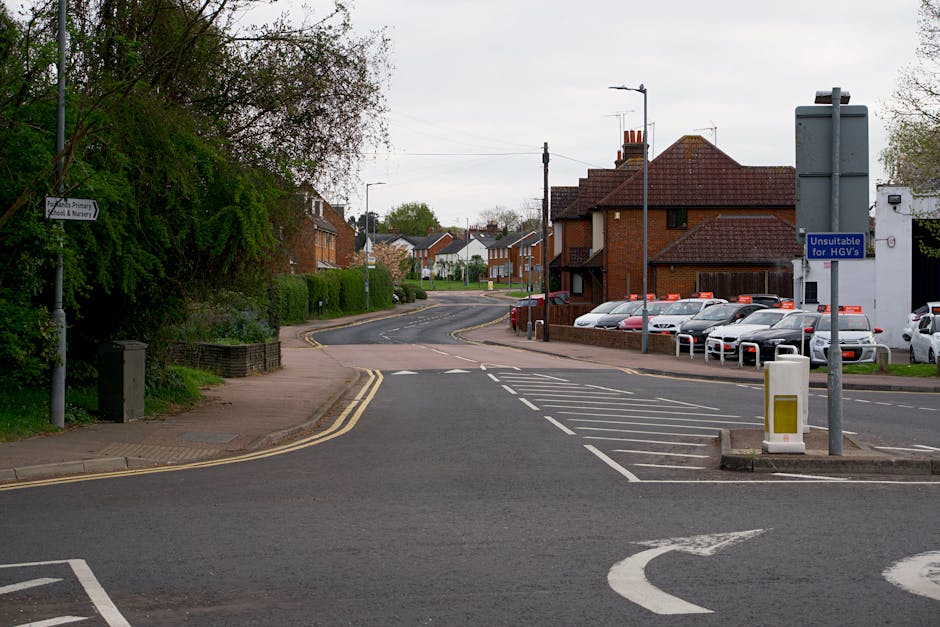
Near Hanwell Station and Uxbridge Road, the moving route has a direct effect on timing, parking, loading access, and how much physical effort is needed from the team. A route that avoids unnecessary turns and awkward junctions can save minutes, but those minutes matter. They often decide whether a parking space is available, whether a lift booking stays on schedule, or whether your unloading is done before the afternoon rush builds up.
This also matters because local moving routes are about rhythm. That sounds a bit poetic, maybe, but it is true. A move goes better when the van can arrive, park, load, and leave without constant stop-start adjustments. Near a busy road like Uxbridge Road, a smooth route lowers the chance of delays caused by congestion or access issues. And if you are moving from a flat or shared building, the difference between a well-planned route and a rushed one is often the difference between a calm morning and a sweaty one.
There is another side to it too: route selection is part of protecting the items themselves. Fewer unnecessary turns, less braking, and shorter time in transit can reduce shifting inside the van. That is especially helpful for fragile items and awkward shapes. If you are moving large furniture, the local service page for furniture removals in Hanwell is a useful next step for understanding how access and transport planning fit together.
Key point: shortest route planning is not just navigation. It is time control, access control, and damage control all at once.
How Shortest routes for moves near Hanwell Station, Uxbridge Rd Works
A good moving route near Hanwell Station usually starts with two questions: where is the van coming from, and where exactly does it need to stop? That second part gets overlooked all the time. The front door might be on a side street, the lift might be on the rear elevation, or the only practical loading point might be a few metres away from the actual address. So the route is not just "drive to the postcode." It is "drive to the easiest legal stopping point, then move safely from there."
From a practical perspective, the process often looks like this:
- Check the collection and delivery postcodes.
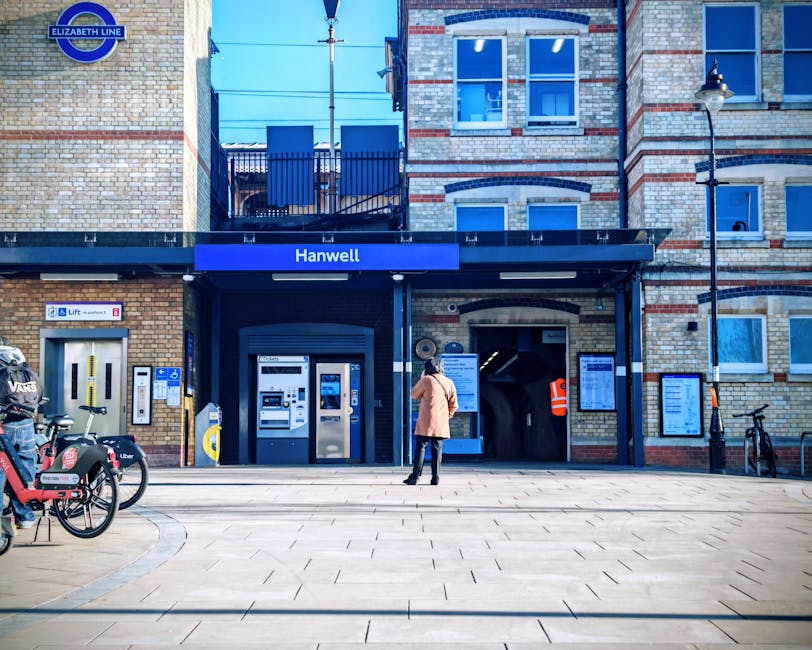
- Review the likely road pattern around Uxbridge Road, Hanwell Station, and any connecting residential streets.
- Think about traffic peaks, school traffic, bus lanes, and one-way sections.
- Choose a route that balances distance with speed, parking access, and van suitability.
- Confirm where loading can happen without blocking neighbours, buses, or access points.
In many local moves, the shortest route is not the only route considered. Removal drivers usually think in terms of "best route for this exact job." That means looking at the size of the vehicle, the amount of furniture, whether the move is upstairs, whether there is a tight turning area, and whether a same-day schedule leaves room for a delay. If you want a broader overview of how a removal firm pieces these elements together, the services overview is a good place to start.
There is also a human side to route planning. A short route that arrives ten minutes earlier is no help if it places the team on the wrong side of a loading restriction or forces a long carry across a busy pavement. Truth be told, a few extra minutes on the road can be worth it if it saves half an hour at the kerb.
Key Benefits and Practical Advantages
The value of a shortest-route approach goes beyond convenience. It creates a cleaner moving day overall. Here are the main gains people actually notice.
- Less wasted time: fewer unnecessary detours means more time for loading and unloading.
- Lower stress: when the route is confirmed, the move feels less chaotic.
- Better parking logic: a route that accounts for stopping points reduces last-minute circling.
- Safer handling: fewer delays and less rushing can mean fewer mistakes with heavy items.
- More predictable scheduling: especially useful if you have handover times, lift bookings, or a key exchange deadline.
There is also a practical budget angle. A shorter, better-planned route may not magically make everything cheaper, but it can improve efficiency. If the van spends less time blocked in traffic or searching for an awkward parking spot, the move can run more cleanly from start to finish. That is one reason people often compare options through pages like man with a van in Hanwell and removal van services in Hanwell when deciding what level of support they need.
For local households, the shortest route also helps with neighbour relations. Nobody wants a van idling outside a narrow terrace for ages. Nobody enjoys a blocked driveway. The cleaner your routing and timing, the less friction there is. Little things, but they matter.
Who This Is For and When It Makes Sense
This kind of route planning is useful for a lot of different people, though the details change depending on the move.
It makes the most sense if you are:
- moving from a flat near Hanwell Station;
- using a van along Uxbridge Road where parking is tight;
- moving on a fixed handover day with limited time;
- handling furniture that needs careful loading and unloading;
- organising a student move, small household move, or same-day move;
- trying to keep disruption low for neighbours or building managers.
Students often need speed and flexibility, especially when they are moving at the start or end of term. That is where student removals in Hanwell can be a better fit than trying to force a big household-style move into a small window. Likewise, if you are moving out of a compact property, flat removals in Hanwell usually need more careful route and access planning than a simple postcode-to-postcode drive suggests.
Same-day jobs are a slightly different animal. They can be done well, but they rely on fast decisions and clear routing. If time is tight, the service page for same-day removals in Hanwell is worth reviewing because speed only helps when it is paired with proper planning.
And if you are reading this while standing among half-packed boxes wondering whether you have left it too late, take a breath. You have not ruined anything. Not yet.
Step-by-Step Guidance
Here is a simple way to plan a move near Hanwell Station and Uxbridge Road without overcomplicating it.
1. Map the exact addresses
Start with the collection point, the delivery point, and any side entrance, loading bay, or rear access. Two places can look close on a map and still behave very differently once a van is involved.
2. Identify the most realistic stopping point
Sometimes the best place for the van is not right outside the front door. It might be a wider side road, a legal loading bay, or a nearby section with easier access. That can still be the shortest practical route for the move because it reduces carry distance and avoids backtracking.
3. Check traffic patterns
Busy times around station areas can change the whole feel of a journey. Morning commute traffic, school drop-offs, and afternoon congestion can all affect how a route performs. A route that works beautifully at 10:30 am may be messy at 8:15 am.
4. Match the route to the vehicle
A smaller van may handle narrower access more easily, while a larger vehicle may need a more direct road with better turning space. That is one reason choosing the right vehicle matters. If you are unsure, the local man and van option can be more flexible for compact or mixed-size moves.
5. Pack in route order where possible
Yes, packing can affect routing. If the items needed first are buried at the back, the unloading stage becomes slower and clumsier. A bit of planning with clever packing hacks can make the route itself more effective because the whole job flows better at the destination.
6. Confirm any special items before moving day
Pianos, large sofas, and heavy wardrobes need more than standard lifting care. If a route involves narrow turns or awkward stair access, it is better to know that early. For delicate instruments, piano removals in Hanwell and the related guide on safe piano relocation explain why the planning stage matters so much.
7. Build a small timing buffer
Even the best route can hit a temporary delay. A delivery lorry, a school crossing, a roadworks queue. London does what London does. A buffer of even 15 to 20 minutes can prevent one small delay from snowballing into a rushed unload.
Expert Tips for Better Results
These are the things that tend to make the biggest difference in real jobs. Not the flashy stuff. The practical stuff.
- Visit the access points before moving day if you can. A two-minute walk around the building often reveals more than a postcode search.
- Think in terms of carrying distance, not just driving distance. A slightly longer drive can be better if it cuts the carry by half.
- Load the van in the order you want items out. That sounds basic, but it saves time and a fair bit of grumbling later.
- Use the route to reduce handling, not just road time. Fewer hand moves mean fewer chances to damage frames, corners, or paintwork.
- Keep fragile items separate from the "quick grab" pile. Rushing through a short route does not excuse rough loading.
One small but useful habit is to speak to your movers about the actual street environment, not just the home inventory. Tell them about a tight bend, a low arch, a steep kerb, a gate that sticks a little on rainy days. Those details sound minor. Then moving day arrives and, suddenly, they are not minor at all.
If the move also includes storage, ask early how route planning might change the order of items. A short transfer to storage can still benefit from the same planning discipline. For that side of the job, storage in Hanwell can be useful when the move-out and move-in dates do not match neatly.
And for households making a fresh start, it can be worth reading a wider guide such as how to navigate your house move without stress. It keeps the bigger picture in view, which is handy when the packing tape starts sticking to everything except the box.
Common Mistakes to Avoid
Most move delays near busy roads are predictable. That is the annoying part. They are usually not surprises at all.
- Assuming the shortest route is always the best route. It may be shorter in miles but worse for parking or access.
- Ignoring loading restrictions. A van that cannot legally stop where you planned is not useful, however efficient the road looks.
- Not checking road conditions at the time of day you are moving. A route can behave very differently at peak times.
- Forgetting stair access or lift wait times. Route planning does not end at the door.
- Leaving heavy items until the last minute. That often leads to rushed lifting, and rushed lifting is where mistakes start.
There is one more mistake that people make a lot: they treat route planning as something only the driver needs. In reality, the customer should know enough to spot problems early. If your building has limited access, if your sofa is too large for a narrow hallway, or if you need help with bulky items, talk it through first. If needed, look at essential tips for independent heavy lifting before deciding what you can realistically handle yourself.
Not everything needs heroics. Sometimes it just needs a better plan.
Tools, Resources and Recommendations
You do not need fancy software to plan a short moving route, but a few practical tools help a lot.
- Map apps: useful for checking live traffic and alternative road options.
- Building access notes: a simple checklist of gates, lifts, door codes, and stair width.
- Inventory list: helps match item size to route and vehicle choice.
- Packaging supplies: strong boxes, tape, labels, and protective wrap.
- Parking or access information: particularly important around busier streets and station-adjacent roads.
For preparation and loading support, the site's packing and boxes service can help keep the move more organised. And if your move is more about a complete end-to-end service than just transport, removals in Hanwell or removal services in Hanwell may be the better fit.
A practical note on fragile or unusual items: if you are moving a freezer, sofa, mattress, or larger appliance, route planning should include how the item will be positioned in the van and how quickly it can be unloaded. That is why related guides like maintaining your freezer for storage, moving bed and mattress, and sofa storage techniques can be genuinely helpful. They are not just "extra reading"; they reduce avoidable mistakes.
Law, Compliance, Standards, or Best Practice
For moves near Hanwell Station and Uxbridge Road, the legal and best-practice side is mostly about safe, lawful stopping, sensible loading, and respectful use of public space. The exact rules depend on the street, the council area, and the property, so it is wise to check local restrictions rather than assuming.
At a practical level, that means:
- not blocking access routes, dropped kerbs, or emergency access;
- respecting any loading, waiting, or permit restrictions that apply locally;
- handling items safely and using appropriate lifting techniques;
- making sure your moving team is insured for the type of work they are doing;
- keeping walkways clear so residents and visitors are not put at risk.
For customers, it is sensible to ask about insurance and safety before the move. It is a normal question, not a suspicious one. You are entrusting someone with your furniture, your walls, and a fair amount of your peace of mind. That deserves clarity. If you want to understand how a provider handles its terms and practical commitments, you can also review terms and conditions and the health and safety policy.
Best practice in plain English: plan routes that are lawful, realistic, and kind to the property. That is the standard worth aiming for.
Options, Methods, or Comparison Table
Not every move near Hanwell Station needs the same routing style. Here is a simple comparison of common approaches.
| Method | Best for | Strengths | Trade-offs |
|---|---|---|---|
| Shortest road distance only | Very simple, low-access moves | Easy to plan quickly | Can ignore parking, traffic, and access problems |
| Fastest live route | Time-sensitive moves | Adapts to traffic in real time | May change often and still miss access details |
| Best access route | Flats, terraces, awkward properties | Reduces carrying distance and loading stress | Not always the shortest in miles |
| Mixed route planning | Most house and flat removals | Balances traffic, access, and timing | Needs a bit more thought upfront |
In practice, mixed route planning is usually the winner. It is the one that respects the real world. Roads, parking, stairs, weather, people. All of it. The shortest route for a move near Hanwell Station is often the route that gets the job done with the least friction, not the fewest turns on a map.
Case Study or Real-World Example
Imagine a typical local move: a one-bedroom flat near Hanwell Station, heading to a nearby address off Uxbridge Road. The move includes boxed kitchen items, a bed frame, a mattress, a sofa, and a couple of heavy storage units. Nothing unusual, but enough to become awkward if handled casually.
The obvious driving route looks short. On paper, it is great. But the front of the property has no easy stopping space at the exact time the move is due to begin. There is a busier stretch of road nearby, a better side street for loading, and a narrow turn that would be annoying in a larger van. So the smart option is to use the slightly less obvious road, park where access is better, and reduce the carry distance into the building.
What happens then? The loading is quicker. The team is not forced to reverse or block anything. The sofa comes out cleanly because the path is simpler. The mattress moves without getting caught on a tight corner. And because the van is not sitting in a poor position, the whole move feels more controlled. A small win, but one you can feel.
That is the sort of practical routing choice that separates a good move from a frustrating one. If you are moving from a flat near the station, the details matter. If you are moving office stock or equipment, they matter even more. For business relocations, office removals in Hanwell can help translate route planning into a more organised workplace move.
Practical Checklist
Use this checklist before moving day. It is simple, but it catches a lot.
- Confirm both addresses and any side access points.
- Check the best stopping point for the van, not just the postcode.
- Review traffic timing around Hanwell Station and Uxbridge Road.
- Make sure parking or loading restrictions are understood.
- Measure bulky items that may affect route or access.
- Keep fragile, heavy, and urgent items clearly labelled.
- Arrange help for stairs, lifts, or awkward carrying paths.
- Ask about safety cover and moving insurance if needed.
- Prepare a quick unpack box for essentials.
- Build a small time buffer in case of traffic or access delays.
If decluttering is still on your list, it is worth doing before route day. Less stuff means fewer journeys, easier loading, and less chance of the van feeling like a moving warehouse. A useful companion read is decluttering hacks for an effortless house move. Small effort, big payoff. Honestly.
Get a free quote today and see how much you can save.
Conclusion
The shortest routes for moves near Hanwell Station, Uxbridge Rd are about much more than shaving off distance. They are about choosing the route that makes the whole move easier: safer parking, cleaner loading, less waiting, fewer surprises, and a better chance of finishing on time. In a busy part of west London, that kind of planning makes a real difference.
If you keep one idea from this guide, let it be this: route choice should support the move, not just the mileage. When you match the road to the property, the vehicle, and the timing, the move feels more manageable from the first box to the last.
And if you are still at the planning stage, that is actually the best place to be. A calm, well-planned move tends to stay calm. Not always, because life has a habit of adding one odd curveball. But mostly, yes.
Take your time with the route, trust the details, and give yourself a proper moving day instead of a scramble. You will feel the difference.