Avoid move-day damage to fragile antiques in Hanwell
Posted on 10/06/2026

Moving a house full of ordinary furniture is one thing. Moving fragile antiques is another level entirely. One loose corner, one rushed lift, one van floor with a bit too much wobble, and suddenly a family heirloom is chipped, cracked, or worse. If you are trying to avoid move-day damage to fragile antiques in Hanwell, the safest approach is careful prep, calm handling, and a plan that treats every piece as if it cannot be replaced. Truth be told, that is usually the right mindset.
This guide walks you through the practical steps that actually reduce risk, from packing and labelling to loading, route planning, and storage. It also covers when to handle items yourself, when to bring in support, and how to choose methods that suit antiques rather than generic house contents. If you are planning a local move, or even a same-day move with a tight window, a little structure makes a big difference. Small details matter here. A lot.
For broader moving prep, you may also find clever packing hacks for house moves useful, especially if your antiques need to travel alongside everyday belongings.
Why Avoid move-day damage to fragile antiques in Hanwell Matters
Antiques are different from standard furniture because their value often sits in age, craftsmanship, history, or sentiment rather than just the material itself. A scratched surface on a modern table is annoying. A split veneer on a Victorian chest, or a broken ceramic finial, can be heartbreaking. And with antiques, even repairs can reduce value if they are visible or poorly matched.
Hanwell moves often involve narrow hallways, stair turns, tight parking, and stop-start loading outside terraced homes or flats. That makes fragile items more vulnerable than people expect. Add in London traffic, short loading windows, and the usual moving-day nerves, and even careful people can rush. That is where damage creeps in.
It also matters because antiques can be unpredictable. Some pieces look solid but hide weak joints, old glue, brittle finishes, or previous repairs. A mirror frame may seem sturdy until the vibration of a van loosens the backing. A cabinet may survive a century in one place, then complain the moment it is tipped at the wrong angle. Funny, really. Annoying, but funny in hindsight.
Protecting antiques is not just about money. It is about continuity. If something has lived in a family for generations, you want the next address to feel like a careful handover, not a gamble.
How Avoid move-day damage to fragile antiques in Hanwell Works
The process is simpler than it sounds, although it does require discipline. You start by identifying which pieces need extra care, then you prepare them physically and logistically before move day. That means cleaning, photographing, wrapping, padding, stabilising, and planning how each item will be carried and loaded. In practice, the goal is to reduce movement, absorb vibration, and prevent contact with hard surfaces.
There are three main causes of damage during antique moves:
- Impact - knocks against doors, stairs, walls, other items, or the van interior.
- Vibration - repeated shaking while travelling, which can loosen joints or crack delicate parts.
- Compression - pressure from items stacked on top, leaning at odd angles, or tied too tightly.
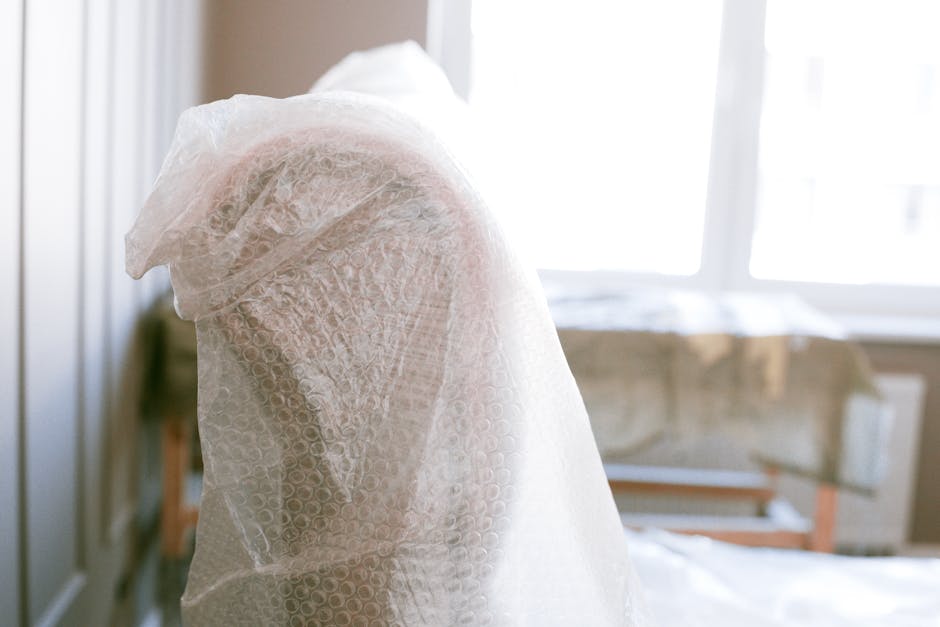
To prevent those, you need layers of protection. First comes the item itself: drawers emptied where appropriate, loose pieces removed, glass detached if possible. Then comes wrapping: acid-free paper, soft blankets, bubble wrap where suitable, and corner protection for edges. After that comes boxing or crating for especially delicate pieces. Finally, secure loading keeps the item upright, separated, and immobilised inside the van.
That last part is often overlooked. A beautifully wrapped antique can still be damaged if it slides five centimetres in transit. Five centimetres is enough. That is the part people forget when they are busy thinking about the bigger furniture.
Key Benefits and Practical Advantages
Taking antique protection seriously brings a few obvious benefits, and a few less obvious ones too.
- Lower risk of chips, cracks, and scuffs during the most chaotic part of the move.
- Better control over sentimental pieces so you are not crossing your fingers every time you hear a bump.
- Cleaner unpacking because dust, old blankets, and loose fittings are managed in advance.
- Less stress on the day since each item already has a known handling method.
- More efficient loading when the van layout is planned around fragile objects first.
- Improved resale or insurance documentation thanks to pre-move photographs and item notes.
There is also a practical money angle. Even if an antique does not have formal appraisal paperwork, repair work can be expensive and sometimes awkward. Restoring a surface properly is rarely a quick fix, and matching older finishes can be tricky. Avoiding damage in the first place is usually the better deal.
If you are already thinking about how to reduce the general strain of moving, moving without stress is a mindset worth borrowing. Calm planning is not glamorous, but it works.
Who This Is For and When It Makes Sense
This approach is for anyone moving antiques, heirlooms, vintage furniture, or decorative pieces that would suffer from rough handling. That includes house movers, flat movers, landlords clearing inherited items, students taking a few treasured pieces with them, and business owners relocating old display furniture or decor. Yes, even a single item can justify a proper plan if it is fragile enough.
It makes especially good sense when you are moving:
- ornate mirrors and picture frames
- ceramics, porcelain, glassware, or collectible ornaments
- marquetry, veneer, or inlaid furniture
- clocks, lamps, and fitted decorative pieces
- items with loose joints, wobbly legs, or brittle finishes
- large antiques that need stairs, lifts, or multiple people to carry safely
If your move is from a flat, involves awkward access, or needs a quick turnaround, the need becomes stronger. Hanwell properties can have tight corners and limited outside space, so careful planning is not just a nice-to-have. It is the difference between a smooth move and a "why is that chair suddenly missing a foot?" moment.
For people with a bigger mix of furniture and fragile items, a look at furniture removals in Hanwell can help you think through the wider logistics without losing sight of the delicate bits.
Step-by-Step Guidance
- List every fragile antique separately. Don't lump them in with general household items. Make notes on size, weight, material, and any existing marks or repairs.
- Photograph each piece from several angles. This is useful for checking condition before and after the move. A quick phone photo is fine if it is clear.
- Clean carefully before packing. Dust and grit can scratch surfaces during wrapping. Use a soft cloth; avoid wet cleaning unless the piece can safely take it.
- Remove anything loose. Shelves, detachable handles, keys, glass inserts, and drawers may need to come out. If removal would create risk, stabilise instead.
- Wrap in the right order. Start with acid-free tissue or paper for delicate surfaces, then add soft padding, then outer protection. Use bubble wrap thoughtfully, not aggressively. Too much pressure is not your friend.
- Protect corners and edges. Corners often suffer first. Cardboard guards, foam edging, and extra blanket folds can save a lot of grief.
- Use sturdy boxes or crates where appropriate. The container should fit the item closely without crushing it. Loose packing is a common mistake.
- Label clearly. Mark boxes as fragile, which way up, and where they should be placed in the van. If one box contains several small antiques, list the contents on the outside.
- Plan the walk route. Measure doorways, check stair widths, and note any awkward turns. A few minutes with a tape measure can save a lot of panic later.
- Load antiques last and unload first where practical. Keep them away from heavy furniture and items that may shift. Secure them so they cannot move during braking.
If one piece is especially delicate, it may be worth separating it from the rest of the house contents and transporting it as its own mini-project. That sounds dramatic, but sometimes that is exactly the sensible move.
Expert Tips for Better Results
Here is where the small differences matter. In our experience, antique damage usually happens because one "small" shortcut gets taken during a busy moment. Not because of one massive mistake.
- Keep weight off fragile surfaces. Never stack flat items or bags on top of an antique cabinet or tabletop, even briefly.
- Don't trap moisture under wrapping. If a finish is sensitive, make sure items are dry before covering them. Damp packing is bad news.
- Use blankets strategically. A folded blanket can be better than several layers of harsh wrap on older wood.
- Lift from the strongest points. Use the base or frame where possible, not decorative trims or handles.
- Assign one person to each delicate item. Too many hands can create confusion. It sounds counterintuitive, but clear ownership helps.
- Allow extra time. Rushing is the enemy. Antique handling and sprinting are not natural partners.
If you are moving heavy antiques, or even just heavy furniture that needs controlled lifting, this guide on independent heavy lifting is a useful companion read. And if stairs are involved, slow is not laziness. Slow is protection.
One more tip, and this one gets ignored far too often: think about the unloading destination too. A clean hallway, a cleared landing, and a prepared surface to set the item down on can prevent the final, silly accident. That last metre is where people sometimes relax, and then-well, you know.
Common Mistakes to Avoid
Antique moves go wrong in predictable ways. If you can spot the patterns, you can avoid them.
- Using generic packing for everything. Not all items need the same treatment, and antiques rarely benefit from one-size-fits-all wrapping.
- Leaving drawers or doors unsecured. Movement inside the item can be just as damaging as external knocks.
- Over-wrapping delicate surfaces with rough material. Some wraps protect; others can rub finishes and leave marks.
- Trying to carry too much at once. Balanced loads matter. A wobbly "I've got it" is not reassuring to anyone.
- Ignoring access constraints. A piece that fits the van may still fail at the staircase or landing.
- Stacking fragile items together. Even well wrapped pieces can damage each other if they rub in transit.
- Skipping condition checks after the move. If there is damage, spot it immediately while everything is fresh.
There is a tiny temptation to think, "It'll probably be fine for just this one journey." That phrase has caused more headaches than it deserves. Better to be the person who over-prepared and had nothing happen. That is a very good kind of boring.
Tools, Resources and Recommendations
You do not need a warehouse full of specialist kit, but the right tools make antique moving much safer. A few sensible supplies are worth having before anything gets touched.
| Tool or material | Why it helps | Best use |
|---|---|---|
| Acid-free paper or tissue | Protects delicate finishes and surfaces | Fine wood, artwork, paper items, decorative surfaces |
| Soft moving blankets | Creates a cushioned outer layer | Larger furniture and shaped antiques |
| Corner protectors | Reduces chip and dent risk | Frames, tables, cabinets, mirrors |
| Sturdy boxes or crates | Keeps items stable and organised | Small fragile objects, grouped collections |
| Straps and tie-downs | Stops movement in the van | Securing wrapped items upright |
| Furniture sliders and dollies | Helps with controlled movement | Heavy antiques and awkward access routes |
For packing supplies and box guidance, packing and boxes in Hanwell is a helpful place to start if you want materials that suit moving day rather than random leftovers from the loft.
It can also be worth thinking about storage if your destination is not ready. A short stay in secure storage may be safer than squeezing antiques into a half-finished room. If that is your situation, storage in Hanwell may be more practical than forcing a move on an awkward timeline.
For the overall move setup, the broader services overview can help you understand how moving support is usually arranged across different job types.
Law, Compliance, Standards, or Best Practice
When moving antiques in the UK, there is not usually a special legal rule just for fragile heirlooms. But there are still sensible expectations around safe handling, reasonable care, and clear communication between customer and mover. If a company offers packing or transport support, it should explain how fragile items are handled and what level of protection is included.
Best practice usually includes:
- clear item descriptions before the move
- an honest discussion of fragility, value, and access issues
- appropriate manual handling and team lifts for heavy pieces
- secure loading to prevent movement in transit
- transparent insurance and safety information
If you are comparing providers, it is sensible to ask whether they have experience with delicate or high-value items, whether their process includes wrapping and securing, and how they approach claims if something goes wrong. Those are not awkward questions. They are normal ones.
You may also want to review insurance and safety information before move day so you know where responsibilities sit. For general business terms, the terms and conditions page is there for the same reason: clarity beats assumptions.
There is also a practical health-and-safety angle. Safe lifting, clear walkways, and sensible pacing all matter, especially in older properties where stairs or door frames can be unforgiving. The aim is not to be heroic. The aim is to finish the day with every item intact and everyone's back still working.
Options, Methods, or Comparison Table
Different antiques need different levels of handling. A quick comparison helps you decide how much protection is enough.
| Method | Best for | Pros | Watch out for |
|---|---|---|---|
| Simple blanket wrap | Solid but still delicate furniture | Quick, soft, flexible | Not enough for very fragile surfaces |
| Layered wrapping | Most antiques and decorative items | Good balance of cushioning and control | Must be secured properly so it does not shift |
| Boxed packing | Small ornaments, ceramics, collectibles | Organised and stable | Weak boxes can collapse if overloaded |
| Crating | Very fragile or valuable pieces | Strongest physical protection | More time, cost, and planning required |
| Specialist transport support | Heavy, awkward, or irreplaceable antiques | Reduces handling errors and stress | Needs clear communication and advance booking |
For smaller local moves, a flexible setup may be enough. For larger or more complicated homes, using a dedicated moving service is often the safer route. If you are deciding between a lighter-touch move and a full-service approach, removals in Hanwell can give useful context for what a fuller moving plan usually covers.
And if your antique is part of a large furniture move, the page on man with a van in Hanwell may also help you understand the kind of support that suits smaller or faster local jobs. Not every move needs a full convoy, after all.
Case Study or Real-World Example
Imagine a Hanwell couple moving from a top-floor flat with a narrow stairwell and a small landing. They have three items that need special attention: a gilt-framed mirror, a carved side table with a slightly loose leg, and a china cabinet inherited from a relative. Nothing outrageous. But each item is delicate in its own way.
Instead of packing them at the end, they set them aside first. They photograph the condition, remove the glass shelves from the cabinet, and wrap each piece separately. The mirror gets corner protection and a padded outer layer. The side table is stabilised at the leg before being moved. The cabinet is transported upright and kept away from the heaviest boxes.
On the day itself, the team clears the route from room to van before lifting anything. There is a brief pause at the stair turn because, let's face it, one tight corner can ruin a perfectly good plan if nobody checks it. Once the route is confirmed, the items are carried one at a time and secured inside the van so they do not slide.
The result? The move finishes with no chips, no new scratches, and no post-move scrambling for a repair quote. Nothing magical. Just method. That is usually how it works with antiques: careful prep, calm movement, and a bit of patience.
For tenants and flat moves around the local area, this sort of planning is especially relevant. If you are moving within or around the borough, the advice in Hanwell tenant moving tips can be useful for access, timing, and keeping the day manageable.
Practical Checklist
Use this before move day. Simple, but it covers the essentials.
- Identify every fragile antique separately
- Take clear photos of each item
- Check for loose parts, drawers, and detachable pieces
- Clean gently and let surfaces dry fully
- Gather acid-free paper, blankets, boxes, and corner protection
- Wrap each item according to its material and fragility
- Label all boxes and note which side should face up
- Measure doorways, stairs, and tight bends
- Plan the loading order before the van arrives
- Keep antiques separate from heavy or sharp-edged items
- Secure items in the van so they cannot shift
- Inspect everything again as soon as it is unloaded
If you are in a hurry, do not cut the photo step. It feels optional, but it becomes very useful if there is any disagreement later. A quick snapshot can save a great deal of back-and-forth, and honestly, who wants that on moving day?
Get a free quote today and see how much you can save.
Conclusion
To avoid move-day damage to fragile antiques in Hanwell, you need more than extra bubble wrap. You need a method that respects the item, the building, and the realities of moving day. That means planning ahead, protecting vulnerable surfaces, controlling movement, and giving each piece enough time and space to travel safely.
The good news is that this is manageable. Most damage is preventable when the right steps are taken in the right order. If you slow down just enough to prepare properly, you are far more likely to unpack with a relieved smile than a sinking feeling. And that is worth the effort.
Take your time, trust the process, and give the antiques the kind of care they have quietly earned over the years. They have been patient for decades. One more careful move will not hurt.